Wilcox Wildlife Services
Contact Us
Wilcox Wildlife Services
Bridger Wilcox (859)-940-5188
Anthony Wilcox (859)-321-2539

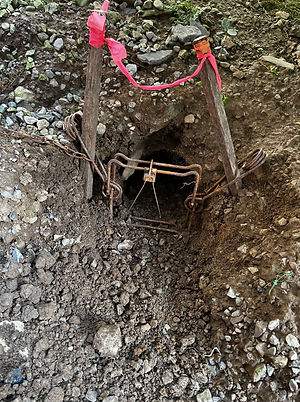
Groundhogs, also known as woodchucks or whistle pigs are large rodents native to Kentucky. They live all across the state in open fields, woodlands, pastures, and suburban areas. These plant-eaters stand out with their stocky bodies, brown fur, short legs, and burrowing habits. They weigh 4 to 14 pounds and grow up to 2 feet long. Groundhogs hibernate from October to March, then come out in spring to breed from March to April, having litters of 2 to 6 young. They help improve soil by adding air through their digging, but their big burrows and plant-eating often turn them into pests.Groundhogs mainly cause problems with their burrowing and foraging. They dig massive tunnel systems—up to 50 feet long and 5 feet deep—under foundations, sidewalks, decks, sheds, and roads. This leads to collapses, weakened structures, and expensive repairs. The burrows can also create dangers for livestock, machinery, or people. As herbivores, they eat vegetables, fruits, flowers, and crops like soybeans, corn, and alfalfa, which causes major losses for farmers. They may strip bark from trees or ruin landscaping. In suburban spots, they build dens near homes, make noise with their whistling alarms, and attract predators. Issues peak in spring and summer during breeding and heavy feeding times. Groundhogs can carry rabies, ticks, fleas, and parasites, putting humans, pets, and livestock at risk through bites or disease spread. Abandoned burrows often draw in other pests like snakes or foxes. Groundhog problems are widespread in Kentucky's rural farmlands and urban edges. Contact us today to schedule an appointment!